Dead Seamless Patterns: A Versatile Design Asset for Creative Projects
Understanding Dead Seamless Patterns
Dead seamless patterns are a unique type of design element that has gained popularity among artists, designers, and crafters. These patterns are created with the intention of being used in projects where continuity is key. Unlike traditional patterns that may have visible seams or edges, dead seamless patterns are designed to flow seamlessly from one end to the other, making them ideal for applications that require uninterrupted visuals.
The term "dead" in this context refers to the absence of any repeating elements that could potentially disrupt the visual harmony of the design. This makes dead seamless patterns particularly useful for creating backgrounds, wrapping paper, and other decorative elements where a cohesive look is essential.
Exploring the Characteristics of Dead Seamless Patterns
One of the defining characteristics of dead seamless patterns is their ability to be used across various mediums without any visible breaks or disruptions. Whether you're working on a digital project or a physical craft, these patterns provide a smooth and consistent appearance.
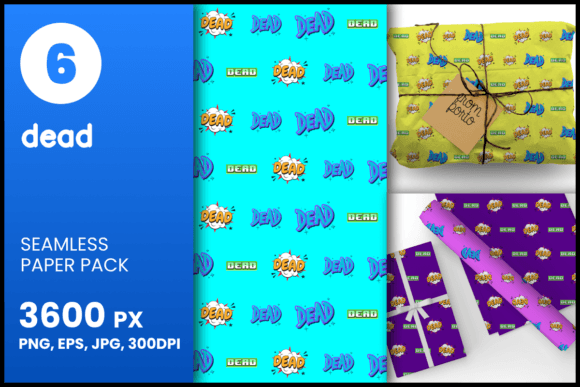
Another notable feature is the high resolution of these patterns, typically available in sizes such as 3600 x 3600 pixels or 12 inches by 12 inches at 300 DPI. This level of detail ensures that the patterns remain crisp and clear even when printed or displayed at larger sizes. The availability of multiple file formats, including JPG, PNG, and EPS, further enhances their versatility, allowing users to choose the format that best suits their specific needs.
Applications of Dead Seamless Patterns
Dead seamless patterns are incredibly versatile and can be applied to a wide range of creative endeavors. For instance, they are commonly used in scrapbooking, where the seamless nature of the patterns allows for the creation of visually appealing layouts without the distraction of visible seams.
In addition to scrapbooking, these patterns are also popular for birthday party decorations. Their ability to create a cohesive theme throughout the event makes them an excellent choice for invitations, table runners, and other decorative elements. Furthermore, they are well-suited for card making, where the seamless design adds a touch of elegance and professionalism to greeting cards and other stationery items.
Using Dead Seamless Patterns in Digital Projects
Beyond traditional crafts, dead seamless patterns are also valuable in digital design. They can serve as backgrounds for websites, blogs, and social media profiles, providing a clean and professional aesthetic. When used as web page backgrounds, these patterns can enhance the overall user experience by creating a visually pleasing environment that complements the content.
For those who enjoy creating collages or designing computer desktop wallpapers, dead seamless patterns offer a great way to achieve a unified look. Their ability to blend seamlessly into different design elements makes them a favorite among digital artists and graphic designers looking to add depth and texture to their work.
Considerations When Using Dead Seamless Patterns
While dead seamless patterns are highly versatile, there are several considerations to keep in mind when using them. One important factor is the compatibility of the pattern with the intended medium. For example, certain patterns may not be suitable for high-resolution printing if they lack sufficient detail or clarity.
Additionally, it's crucial to ensure that the chosen pattern aligns with the overall aesthetic of the project. While dead seamless patterns offer a wide variety of designs, selecting one that complements the color scheme and style of the project is essential for achieving a cohesive result.
Exploring the Benefits of Dead Seamless Patterns
One of the primary benefits of using dead seamless patterns is their ability to streamline the design process. By eliminating the need to manually adjust or edit the pattern to fit the project's requirements, these patterns save time and effort while ensuring a polished final product.
Moreover, the availability of multiple file formats allows for greater flexibility in how the patterns are used. Whether you're working on a digital project or a physical craft, having access to JPG, PNG, and EPS files ensures that you can use the patterns in the most appropriate format for your needs.
Real-World Examples of Dead Seamless Patterns in Action
Many creators have successfully incorporated dead seamless patterns into their work, showcasing the versatility of these design elements. For instance, a designer might use a dead seamless pattern as a background for a blog post, enhancing the visual appeal of the content while maintaining a professional look.
Similarly, a crafter might use these patterns to create custom wrapping paper for a gift, adding a personal touch that stands out from mass-produced options. In both cases, the seamless nature of the patterns contributes to the overall quality and presentation of the final product.
Conclusion
Dead seamless patterns offer a unique combination of versatility, quality, and ease of use, making them an invaluable asset for a wide range of creative projects. Whether you're working on a digital design, a physical craft, or anything in between, these patterns provide a reliable solution for achieving a cohesive and professional look.
With a variety of options available, including six unique dead seamless patterns in JPG, PNG, and EPS formats, creators have the freedom to choose the design that best fits their needs. As the demand for high-quality, customizable design elements continues to grow, dead seamless patterns are sure to remain a popular choice among professionals and hobbyists alike.