Islamic Mandala Patterns: A Fusion of Tradition and Modern Creativity
In an era where design trends are constantly evolving, Islamic Mandala Patterns have emerged as a compelling intersection of ancient artistry and contemporary aesthetics. These intricate designs, rooted in the rich cultural heritage of Islamic art, are now being reimagined for modern applications across various industries. Whether you're a designer, marketer, entrepreneur, or simply an enthusiast of visual culture, understanding the significance and versatility of Islamic Mandala Patterns can open new creative possibilities.
What Are Islamic Mandala Patterns?
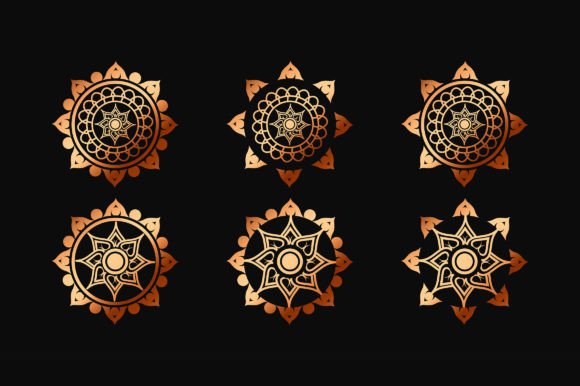
Islamic Mandala Patterns represent a unique synthesis of traditional Islamic geometric art and the universal appeal of mandalas. Originating from the Islamic world, these patterns are characterized by their symmetrical, repeating forms that radiate from a central point. They often incorporate elements of calligraphy, floral motifs, and geometric shapes, all of which are hallmarks of Islamic artistic traditions.
The term "mandala" itself comes from Sanskrit and refers to a spiritual symbol used in Hinduism and Buddhism. However, when applied to Islamic art, the concept is adapted to reflect the values and aesthetics of the Islamic world. This fusion results in visually stunning designs that are both spiritually meaningful and artistically sophisticated.
The Relevance of Islamic Mandala Patterns in Today's Creative Landscape
The growing interest in Islamic Mandala Patterns is not just a passing trend; it reflects a broader shift towards appreciating and integrating diverse cultural influences into modern design. In today’s globalized world, there is a heightened awareness of cultural heritage and a desire to celebrate diversity through visual expression.
Professionals in the creative industry, including graphic designers, interior decorators, and fashion designers, are increasingly turning to Islamic Mandala Patterns as a source of inspiration. These patterns offer a unique blend of complexity and elegance, making them suitable for a wide range of applications—from digital media to physical products.
Applications Across Industries
- Graphic Design: Islamic Mandala Patterns are frequently used in branding, logos, and packaging to convey a sense of tradition and sophistication.
- Interior Design: The intricate details of these patterns make them ideal for decorative elements such as wall art, rugs, and textiles.
- Fashion: Designers are incorporating Islamic Mandala Patterns into clothing lines, accessories, and footwear, creating a fusion of cultural and contemporary styles.
- Digital Media: From website backgrounds to mobile app interfaces, these patterns add a touch of elegance and depth to digital experiences.
Why People Are Paying Attention to Islamic Mandala Patterns
The resurgence of interest in Islamic Mandala Patterns can be attributed to several factors. First, there is a growing appreciation for the craftsmanship and symbolism embedded in these designs. Many people are drawn to the spiritual and meditative qualities of mandalas, which align with the mindfulness movement gaining traction in recent years.
Additionally, the availability of these patterns in multiple file formats—such as AI, EPS, SVG, PNG, and JPG—makes them highly accessible for creators and professionals. This adaptability allows for seamless integration into different workflows and platforms, whether someone is working on a print project or developing a digital product.
The Role of Technology in Popularizing Islamic Mandala Patterns
Advancements in technology have played a significant role in making Islamic Mandala Patterns more accessible than ever before. Digital tools and software enable artists and designers to manipulate and customize these patterns with ease. Moreover, online marketplaces and design communities have made it easier for individuals to discover and use these patterns in their projects.
For entrepreneurs and marketers, this means that Islamic Mandala Patterns can be leveraged to create visually appealing content that resonates with a diverse audience. Whether it's for social media campaigns, product packaging, or branding materials, these patterns offer a unique way to stand out in a crowded marketplace.
Changing Needs and Expectations in the Creative Industry
The creative industry is undergoing a transformation driven by changing consumer preferences and technological advancements. There is a growing demand for originality and authenticity in design, and Islamic Mandala Patterns provide a rich source of inspiration that is both unique and culturally significant.
Consumers are also becoming more conscious of the stories behind the designs they engage with. This has led to a greater emphasis on storytelling and cultural representation in creative work. Islamic Mandala Patterns, with their deep historical and spiritual roots, offer a meaningful way to connect with audiences on a deeper level.
Practical Examples of Use
Many businesses have successfully incorporated Islamic Mandala Patterns into their branding strategies. For instance, a boutique fashion label might use these patterns in its clothing designs to evoke a sense of cultural richness and artistic flair. Similarly, a wellness brand could use mandala-inspired visuals in its marketing materials to promote relaxation and mindfulness.
In the realm of interior design, Islamic Mandala Patterns can be used to create a calming and elegant atmosphere in spaces such as homes, offices, and hospitality venues. Their intricate details and symmetry make them a versatile choice for various design styles, from minimalist to ornate.
Connecting to Larger Developments in Culture and Design
The popularity of Islamic Mandala Patterns is part of a larger movement towards embracing multiculturalism and celebrating diverse artistic traditions. As the world becomes more interconnected, there is a growing recognition of the value of cross-cultural exchange in creative fields.
This trend is also reflected in the increasing demand for sustainable and ethically sourced designs. Islamic Mandala Patterns, which often emphasize balance and harmony, align well with the principles of sustainability and mindful consumption. By choosing these patterns, designers and consumers can support a more thoughtful approach to creativity and production.
In conclusion, Islamic Mandala Patterns represent a powerful convergence of tradition and innovation. Their versatility, aesthetic appeal, and cultural significance make them a valuable asset for professionals and enthusiasts alike. As we continue to explore new ways to express our creativity, these patterns offer a timeless source of inspiration that is both beautiful and meaningful.