Metallic Patterns: Strategic Use in Design and Branding
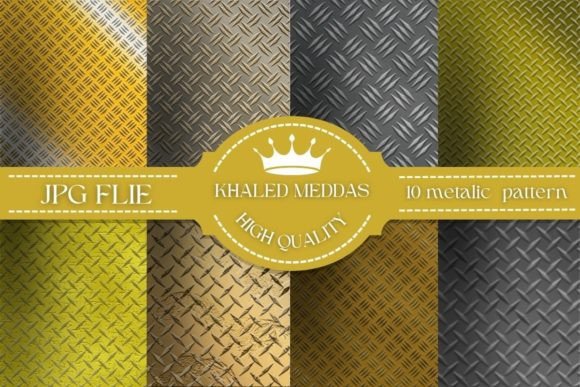
Metallic patterns are a powerful design element that can elevate the visual appeal of various creative projects. These patterns, characterized by their reflective and lustrous qualities, add a sense of sophistication and luxury to any medium they are applied to. Whether you're designing a website, creating marketing materials, or working on product packaging, metallic patterns can serve as a strategic tool to enhance your brand's identity and communicate a premium feel.
Why Metallic Patterns Matter in Strategic Design
The use of metallic patterns is not merely an aesthetic choice; it's a strategic decision that can influence perception, engagement, and overall effectiveness of your design work. In today's competitive market, standing out is crucial. A well-placed metallic pattern can capture attention, convey exclusivity, and create a lasting impression.
- Enhances Visual Hierarchy: Metallic backgrounds can draw the eye to key elements such as product showcases or call-to-action buttons, guiding the viewer's focus effectively.
- Conveys Luxury and Quality: The reflective nature of metallic patterns often associates with high-end products, making them ideal for brands aiming to position themselves as premium or exclusive.
- Increases Engagement: Studies show that visually appealing designs can increase user interaction. Metallic patterns can make content more engaging and memorable.
Website Design: Elevating Your Online Presence
When it comes to website design, a metallic patterned background can transform the look and feel of your site. It can be used as a backdrop for product showcases, landing pages, or portfolios, adding a touch of elegance without overwhelming the user experience.
Consider using metallic patterns sparingly. Too much can lead to visual clutter and distract from the main content. A subtle metallic sheen on a hero section or as a subtle accent in navigation menus can provide just the right amount of sophistication.
Tip: Pair metallic backgrounds with high-contrast text colors to ensure readability. For example, a deep navy metallic background paired with white text can create a striking visual contrast.
Graphic Design: Creating Eye-Catching Marketing Materials
In graphic design, metallic patterns can be used to create eye-catching visuals for advertising posters, flyers, brochures, and other marketing materials. The reflective quality of these patterns can make your designs stand out in a crowded marketplace.
Think about the context in which your graphics will be used. A metallic pattern might be perfect for a fashion brand's promotional poster but could be too flashy for a corporate brochure. Always consider the target audience and the message you want to convey.
Planning Tip: Start with a mood board that includes metallic textures and see how they complement your brand's existing color palette and typography. This helps ensure consistency across all your marketing materials.
Photography: Adding Depth and Interest to Shots
A metallic patterned background can provide an interesting and unique backdrop for portrait or product photography. The reflective surface can add depth and dimension to your photos, making them more dynamic and visually appealing.
However, it's important to understand how light interacts with metallic surfaces. Harsh lighting can create unwanted reflections or glare, so soft, diffused lighting is often preferred when shooting against a metallic background.
Pro Tip: Use a polarizing filter on your camera lens to reduce unwanted reflections and control the way light interacts with the metallic surface.
Social Media Graphics: Capturing Attention in Seconds
On social media platforms like Instagram and Facebook, first impressions are crucial. A metallic patterned background can help your posts stand out in a sea of content. Whether it's for Instagram stories or Facebook cover images, these patterns can add a touch of glamour and sophistication.
Keep in mind that social media users scroll quickly, so your graphics need to be visually compelling within seconds. A metallic pattern can serve as a strong visual anchor, drawing attention to your content while maintaining a luxurious feel.
Book Covers: Enhancing the Appeal of Literary Works
For book covers, especially those related to design, fashion, or luxury products, a metallic patterned background can add an elegant touch. It can help attract potential readers and give the book a premium feel that aligns with its content.
Consider the genre of the book and the target audience when choosing a metallic pattern. A sleek, minimalist metallic design might suit a modern fiction novel, while a more intricate pattern could work well for a coffee table book on fashion history.
Wedding Stationery: Adding Glamour to Special Occasions
Wedding stationery, including invitations and save-the-date cards, benefits greatly from the use of metallic patterns. These patterns can add a touch of glamour and sophistication to the event, making the stationery feel more special and memorable.
Choose metallic patterns that reflect the theme of the wedding. A gold foil pattern might be perfect for a classic, elegant wedding, while a silver or copper pattern could suit a more modern or rustic theme.
Packaging Design: Making Products Stand Out on Shelves
In packaging design, a metallic patterned background can be used to add a touch of luxury and make the product stand out on the shelves. This is particularly effective for high-end beauty products, jewelry, and fashion accessories.
Consider the practicality of the packaging as well. While metallic patterns can be visually stunning, they may also affect the cost and durability of the packaging. Always weigh the visual impact against the production costs and environmental considerations.
Strategic Considerations for Using Metallic Patterns
Before relying on metallic patterns in your design projects, it's important to consider several factors. First, define your goals. Are you trying to convey luxury, attract attention, or simply enhance the visual appeal of your project? Knowing your objectives will help guide your design choices.
Next, think about the context. Will the metallic pattern be used in a digital format or printed material? How will it interact with other design elements such as text, images, and colors? Ensuring that the pattern complements rather than competes with other elements is crucial for a cohesive design.
Finally, consider the audience. What do they expect from your design? A metallic pattern might be perfectly suited for a luxury brand targeting affluent consumers, but it could be inappropriate for a more casual or budget-oriented brand.
Risks of Using Metallic Patterns Without Clear Goals
While metallic patterns can be a powerful design tool, using them without clear goals or context can lead to several risks. One of the most common issues is visual overload. Overusing metallic patterns can result in a cluttered and unprofessional appearance, which can detract from the intended message.
Another risk is misalignment with brand identity. If a metallic pattern doesn't fit with the rest of your brand's visual language, it can create confusion and dilute your brand message. Always ensure that your design choices align with your brand's values, personality, and target audience.
Conclusion
Metallic patterns offer a versatile and impactful way to enhance your design projects. From website design to wedding stationery, these patterns can add a touch of luxury, sophistication, and visual interest. However, their use should be strategic and intentional, guided by clear goals, context, and audience considerations.
By thoughtfully incorporating metallic patterns into your design work, you can create visually compelling and effective projects that resonate with your audience and support your broader business or creative objectives.